How to Choose a Catering Package for Corporate Lunch
Start with the Purpose: Why are you ordering catering?
Before you speak to vendors, get clear on the event purpose. Is this a daily office lunch, a one-time team lunch, a client-facing boardroom meal, or a larger company buffet? The purpose shapes your expectations for menu variety, presentation and service level. For example, regular daily catering prioritises cost-efficiency and consistency; client events prioritise presentation and premium dishes.
Define Headcount & Guest Profile Accurately
Accurate guest numbers are the backbone of any catering package. Always plan with a reliable headcount and a small buffer (typically 5–10%) for walk-ins. Identify your guest profile — mostly employees, senior leadership, clients, or mixed groups — because a menu for a technical team may differ from one for senior clients.
Tip:
If you expect picky eaters, include simple homely options like dal, jeera rice, phulkas, or curd rice. For important client meetings, choose plated meals or individually packed boxes for a polished presentation.
Set a Realistic Budget — Per Plate vs. Package
Decide whether you prefer a per-plate price (ideal for clear cost-tracking) or a packaged price that may include staff, cutlery, and setup. Per-plate pricing works well for daily lunches and predictable headcounts. For events that need service staff, live counters, or crockery, a bundled package with a flat fee is often more convenient.
Budget Considerations:
- Base food cost per plate — what the basic menu costs.
- Service charges — staff, setup, cleaning.
- Logistics — delivery fees for long distances or multiple drop-offs.
- Extras — live counters, desserts, disposable/eco-friendly plates.
Choose the Right Service Style
Service style affects both cost and experience. Common options include:
- Meal Boxes / Packed Lunches: Convenient, hygienic, ideal for daily lunch or meetings.
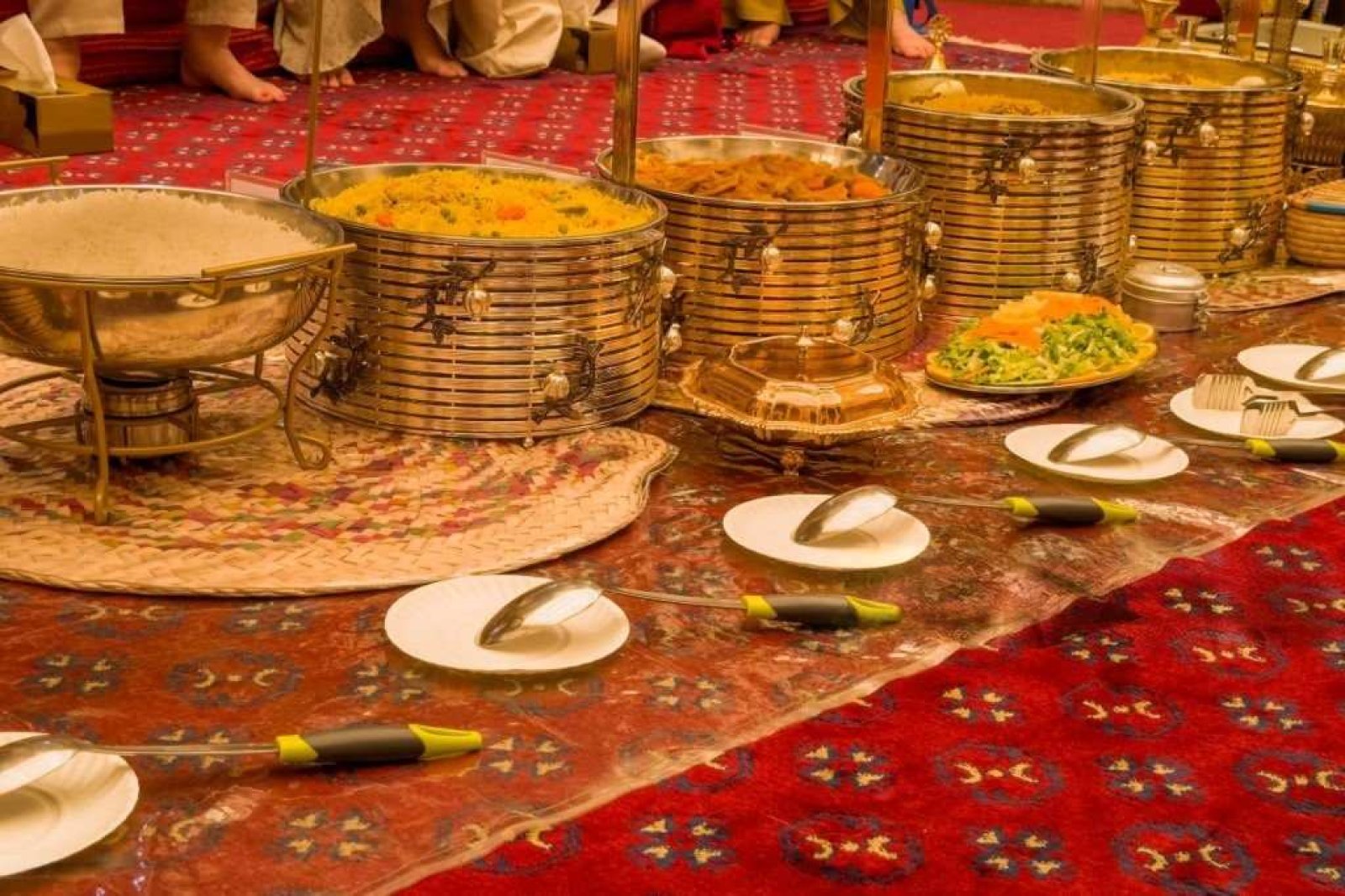
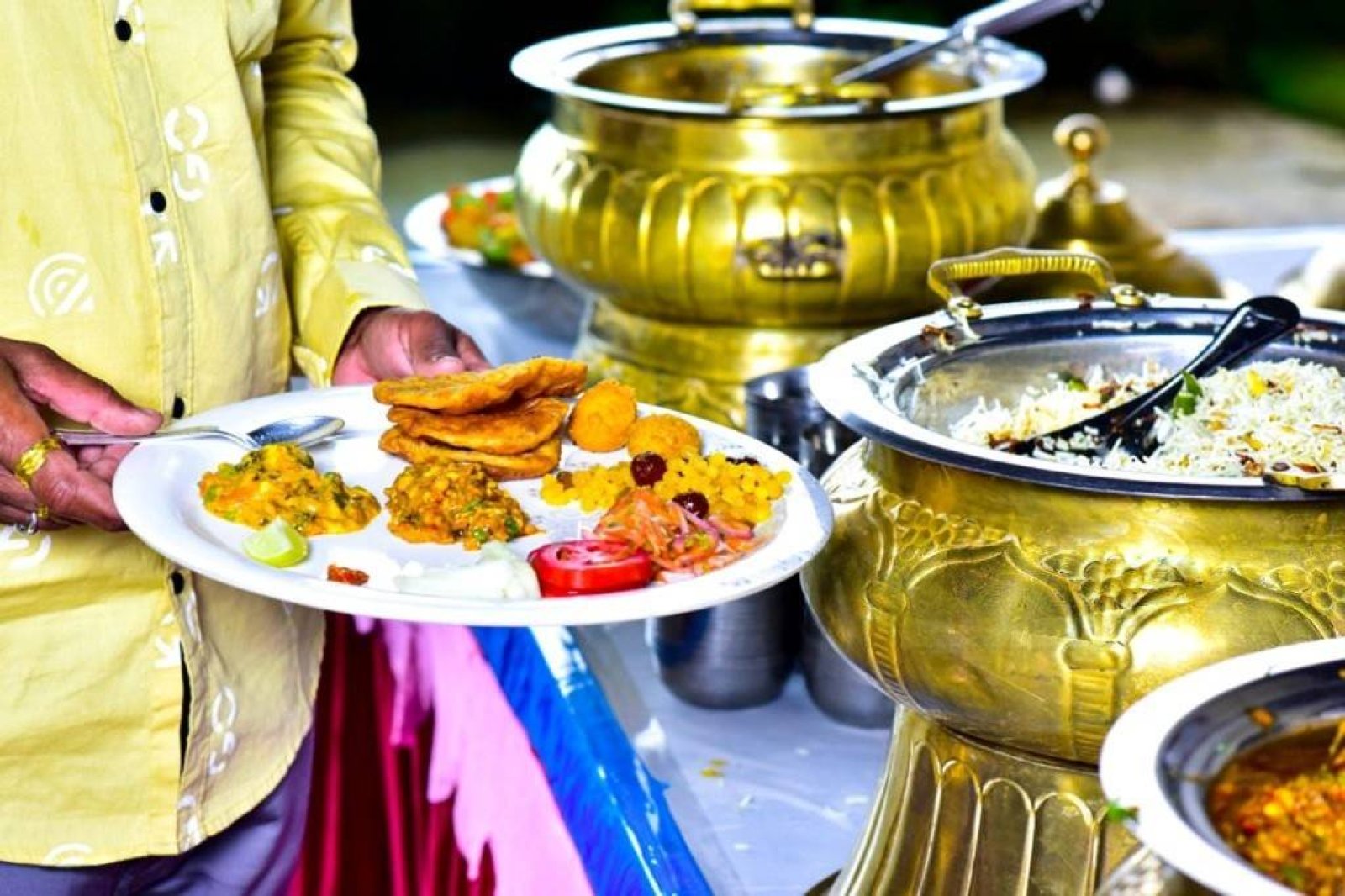
- Buffet: Flexible for varied tastes and larger groups, but needs serving staff and chafing dishes.
- Plated/Served Meals: Premium, best for client-facing events or executive lunches.
- Live Counters: Engaging and fresh; great for town-halls or product launches.
Menu Variety & Dietary Needs
Offer a balanced menu with at least one safe option (mild, low-oil) plus one flavourful option. Always include clear labels for vegetarian, Jain, vegan, gluten-free or allergy-sensitive items.
Must-haves in a corporate package:
- Starch: Rice, pulao, or rotis
- Protein: Dal, paneer or legume-based curry
- Vegetable: A mixed veg or seasonal curry
- Salad & Raita: Fresh crunchy salad & cooling raita or curd
- Sweet: Light dessert or fruit
Sample Corporate Lunch Package Checklist
- Event purpose & service style chosen
- Confirmed headcount + 5–10% buffer
- Per-plate or package pricing agreed
- Menu finalized with dietary labels
- Sample tasting completed (for events)
- Delivery time & packaging confirmed
- Service staff & cleanup agreed
- References & FSSAI verified
Why Choose WeCaters for Corporate Lunch Catering in Bangalore
WeCaters focuses on fresh, homely pure-veg meals prepared with hygiene and timely delivery. We offer flexible corporate packages — daily lunch plans, event buffets, boardroom meals and live counters — designed for Bangalore offices across Whitefield, Koramangala, Electronic City and central business districts. Our corporate clients value our consistency, transparent pricing and prompt customer support.